Estimated reading time: 9 minutes
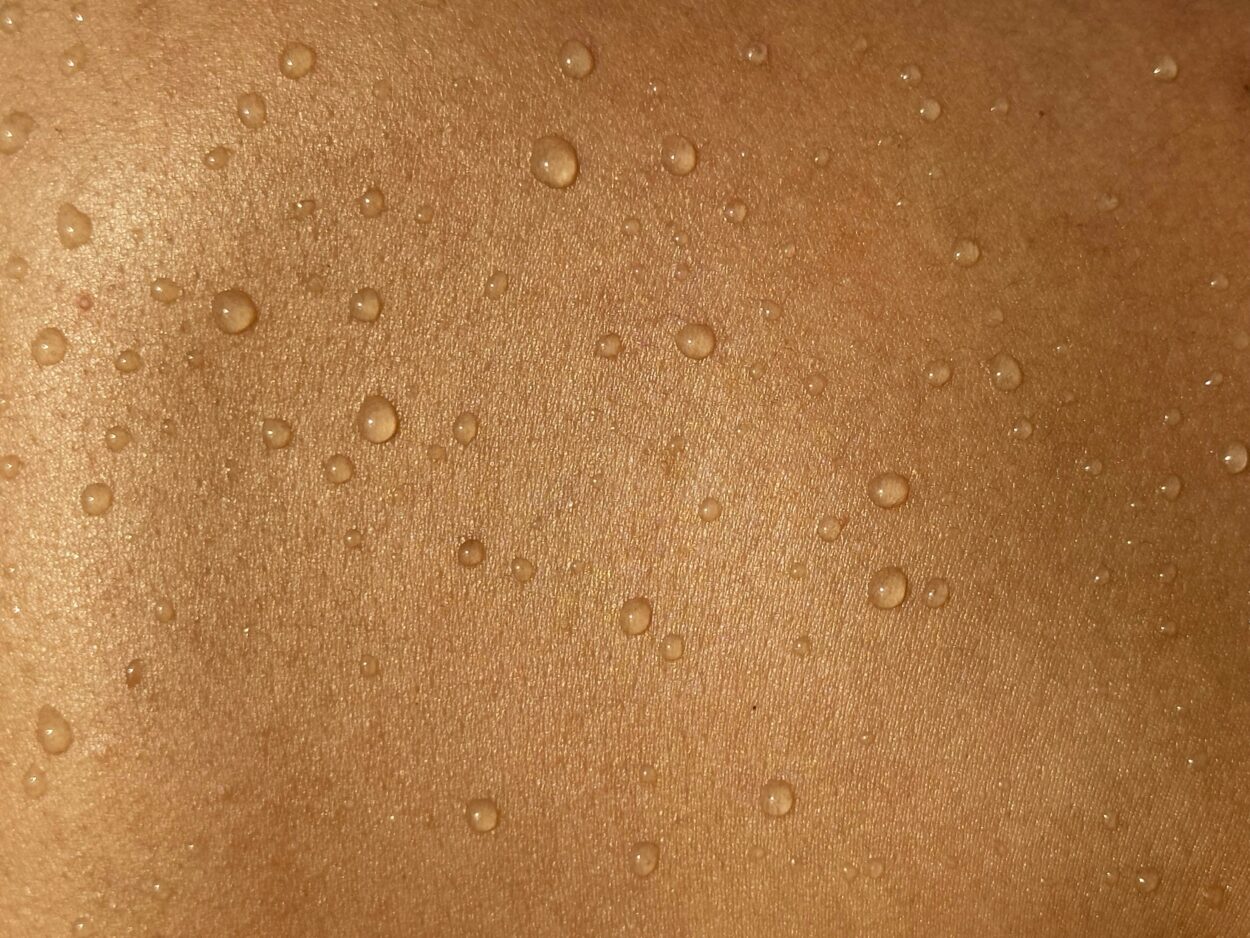
If your skin has been feeling drier, more sensitive, tighter, or harder to manage lately, the issue may not be that you need more products. It may be that your skin barrier is not functioning the way it should.
That matters at any age, but it becomes even more important after 40, when skin naturally becomes less resilient. And for Black women, barrier damage can lead to more than dryness or irritation. It can also trigger inflammation that leaves behind post-inflammatory hyperpigmentation.
At Beauty In Color, barrier health is not a side topic. It is foundational skincare education. In this post, I’ll break down what the skin barrier is, what it actually does, how to tell if yours is compromised, and what to do first if your skin needs support. You can explore more skincare education on the Learn page.
In This Post:
- What Is the Skin Barrier?
- What Does the Skin Barrier Do?
- Why the Skin Barrier Weakens After 40
- 7 Signs Your Skin Barrier May Be Compromised
- What to Do First If Your Skin Barrier Is Stressed
- Why Barrier Damage Matters for Black Women
- Watch the Lesson On YouTube
- Skin Barrier FAQ
- The Bottom Line
- What To Do Next
What Is the Skin Barrier?
Your skin barrier is the outermost part of your skin, called the stratum corneum. It helps your skin hold onto moisture and better defend itself against outside stress.
I like to explain it as a brick wall:
- The mortar is made of lipids: ceramides, cholesterol, and fatty acids
- The bricks are skin cells called corneocytes
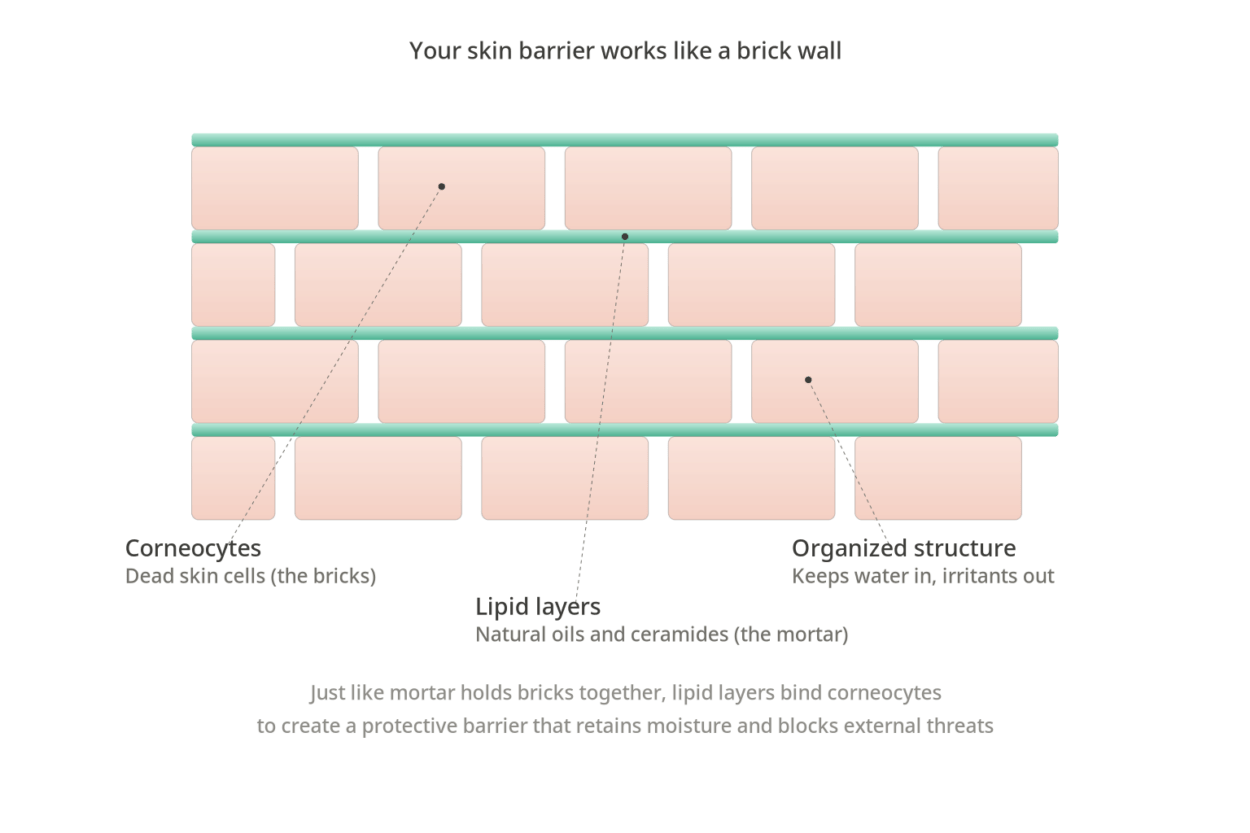
When that structure is healthy, your skin is better able to stay calm, hydrated, and resilient. When it is disrupted, your skin tends to feel dry, reactive, and less predictable.
What Does the Skin Barrier Do?
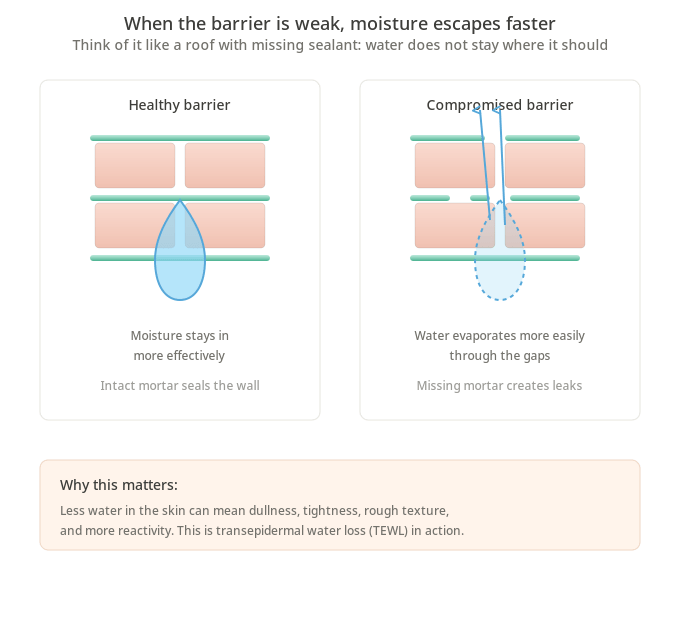
Your skin barrier has two main jobs: it helps keep water in and keep irritants out.
1. It helps your skin hold onto moisture
A healthy barrier helps regulate transepidermal water loss, or TEWL. That simply means the amount of water your skin loses into the air over time.
When your barrier is functioning well, your skin holds onto moisture more effectively. When it is compromised, water escapes more easily, leaving your skin feeling tight, rough, dry, or uncomfortable even when you are using moisturizer.
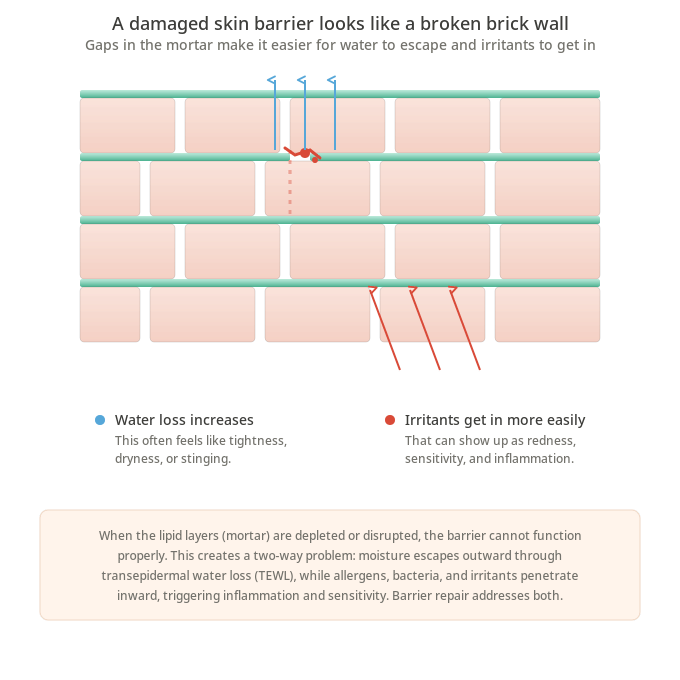
2. It helps protect your skin from outside stress
Your barrier also helps defend your skin against irritants, allergens, microbes, pollution, and environmental stress. It is not perfect, but it is your skin’s first line of defense.
When that defense is weakened, you may notice that:
- your tolerance for active ingredients drops
- products sting more easily
- redness lasts longer
- your skin recovers more slowly
Why the Skin Barrier Weakens After 40
One of the most frustrating things about skincare after 40 is realizing that a routine that used to work no longer gives you the same results. Sometimes that is not because the products changed. It is because your skin changed first.
Here is what tends to shift with age:
- the skin barrier becomes less efficient
- skin produces fewer barrier-supportive lipids
- recovery from irritation slows down
- skin often becomes drier and more reactive
In real life, that can look like this:
- your skin loses moisture more easily
- actives that used to be fine now feel irritating
- dryness lingers longer
- your skin takes longer to calm down after a flare, reaction, or overuse of products
That is why a barrier-first approach matters so much after 40. It gives you a better framework for understanding what your skin needs now, not what worked in a different season of life.
7 Signs Your Skin Barrier May Be Compromised
If you are trying to figure out whether your barrier needs support, look at your skin’s overall behavior, not just one isolated symptom.
Use this as a quick check-in:
- 1–2 signs: your barrier may be mildly stressed, and small changes may be enough.
- 3–4 signs: your barrier likely needs active support, and simplifying your routine is the right move.
- 5+ signs: your barrier may be significantly compromised, and it makes sense to strip back to basics for several weeks before adding anything new.
- Your skin feels dry no matter what you use
- If you are layering hydrating products and moisturizer but your skin still feels tight or rough, your skin may not be holding onto water efficiently.
- Your skin is suddenly more sensitive
- Products that never used to bother you may now sting, burn, or make your skin flush more easily.
- Your skin looks dull, rough, or uneven
- Barrier dysfunction often changes how the surface of your skin looks and feels. Skin can appear less smooth, less radiant, and more textured.
- You are breaking out even though your skin also feels dry
- This combination confuses a lot of people, but it is common. Stressed skin can be dehydrated, inflamed, and breakout-prone at the same time.
- You cannot tolerate actives the way you used to
- Retinoids, exfoliating acids, or even vitamin C may suddenly feel too strong. That often means your barrier needs support before your routine needs more treatment.
- Your skin stays irritated longer than it used to
- When recovery slows down, minor irritation can turn into a multi-day issue.
- Your makeup sits badly on your skin
- Foundation may cling to dry patches, pill, or exaggerate texture. That can be a visible clue that your skin barrier needs more support.
Dana’s Tip: If you are seeing three or more of these signs, resist the urge to buy your way out of the problem. Simplify first. A calm, consistent routine usually helps more than a shelf full of new products.
What to Do First If Your Skin Barrier Is Stressed
The good news is that the first response is usually not complicated. In most cases, it comes down to reducing irritation, supporting the barrier, and giving your skin time to settle before you start treating everything at once. This is the foundational version. I’ll walk through the full barrier repair protocol in a separate post.
1. Simplify Your Routine
When your skin feels dry, stingy, irritated, or unpredictable, simplify before you add more. Start with:
- a gentle cleanser
- a barrier-supportive moisturizer
- sunscreen in the morning
Pull back on exfoliants, retinoids, and any nonessential treatments until your skin feels more stable.
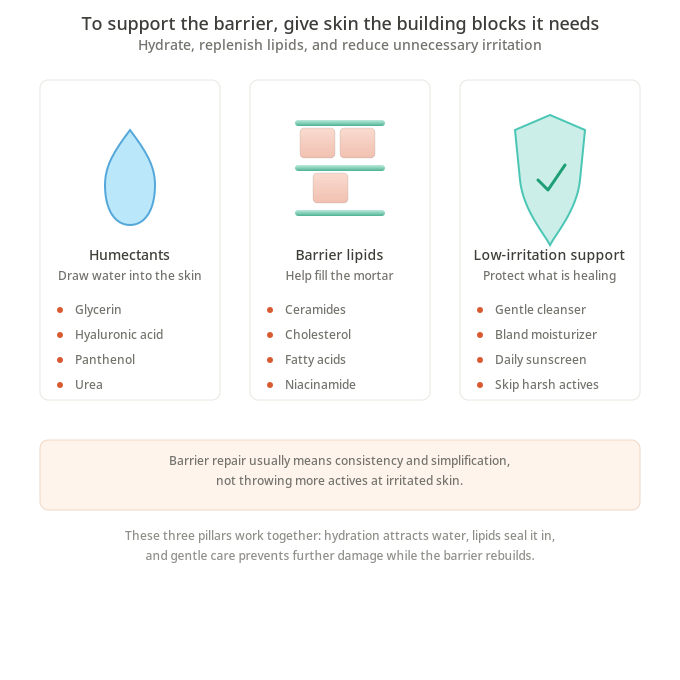
2. Look for barrier-supportive ingredients
Ingredients that can be especially helpful include:
- ceramides, cholesterol, and fatty acids to support the barrier structure
- glycerin and hyaluronic acid to help attract water
- niacinamide for barrier support and uneven tone, if your skin tolerates it
3. Reduce unnecessary irritation
Common habits that can worsen barrier disruption include:
- harsh cleansers
- over-cleansing
- frequent exfoliation
- too many actives at once
- very hot water
This is where Beauty In Color’s consumer lens matters. More products do not automatically mean better skin. Sometimes the smartest move is to stop doing so much.
4. Give your skin time
Barrier support is about consistency, not speed. Depending on how stressed your skin is, it can take a few weeks of a simple, supportive routine before you start to see meaningful improvement. Constantly switching products usually slows that process down.
Barrier-supportive products to look for
If you are shopping for products, start by looking for:
- a gentle, non-stripping cleanser
- a moisturizer with ceramides and lipids
- an optional hydrating serum if your skin is dehydrated
- a sunscreen you can use consistently every morning
A few examples that fit this category include the types of products I’d consider when the goal is comfort, hydration, and barrier support:
- La Roche-Posay Cicaplast Balm B5+ Soothing Therapeutic Multi-Purpose Cream
- Skinfix Barrier+ Triple Lipid-Peptide Cream
- Paula’s Choice 7% Ectoin + Hyaluronic Acid Milky Hydrating Serum
You can browse more of my barrier-supportive recommendations on the Approved page or in my ShopMy collections.
Dana’s Tip: When your barrier is stressed, consistency beats intensity. A simple routine you can stick with for a month will usually outperform a complicated one you abandon after a week.
Why Barrier Damage Matters for Black Women
For Black women, barrier damage is not just a comfort issue. It can also become a pigmentation issue.
When skin is irritated, inflammation can trigger post-inflammatory hyperpigmentation, or PIH. In melanin-rich skin, irritation and inflammation can trigger excess melanin production, which is why dark spots and post-inflammatory hyperpigmentation are such common concerns in darker skin tones. This is one reason I care so much about protecting the skin barrier before chasing stronger actives.
That means over-exfoliating, pushing through irritation, or ignoring a stressed barrier can create a second problem: lingering discoloration. This is one reason I teach a barrier-first approach so strongly. It is not about babying your skin. It is about making smarter decisions early so one mistake does not turn into months of cleanup.
Watch the Lesson On YouTube
This post is your written reference guide. The companion YouTube lesson walks through the same topic in a more visual way and helps connect the “why” behind barrier-first skincare.
Watch the full lesson here:
Skin Barrier FAQ
Here are a few common questions that come up when women start paying closer attention to their skin barrier.
What does a damaged skin barrier feel like?
A damaged or compromised barrier often feels tight, dry, stingy, reactive, rough, or unusually sensitive. You may also notice that products start irritating your skin more than they used to.
How long does it take to repair your skin barrier?
It depends on how stressed your skin is, but meaningful improvement often takes a few weeks of a simple, consistent routine.
Can over-exfoliating damage your skin barrier?
Yes. Frequent exfoliation is one of the common ways people worsen barrier disruption, especially when combined with other active ingredients.
Can a damaged skin barrier cause breakouts?
It can contribute to skin that feels inflamed, dry, and breakout-prone at the same time. That combination is more common than people think.
What ingredients help support the skin barrier?
Ceramides, cholesterol, fatty acids, glycerin, hyaluronic acid, and niacinamide can all be helpful depending on your skin’s needs and tolerance.
The Bottom Line
Your skin barrier is not a side topic. It affects how your skin holds moisture, handles irritation, responds to products, and recovers when something goes wrong.
If your skin has been feeling drier, more sensitive, rougher, duller, or harder to manage, this is one of the smartest places to start. The more you understand your barrier, the better decisions you can make about cleansing, exfoliation, treatments, moisturizers, and how much your skin can realistically tolerate.
That is the mindset shift behind Beauty In Color: instead of asking what to buy next, start by asking what your skin needs support with right now.